What does the term ‘hazard’ mean?
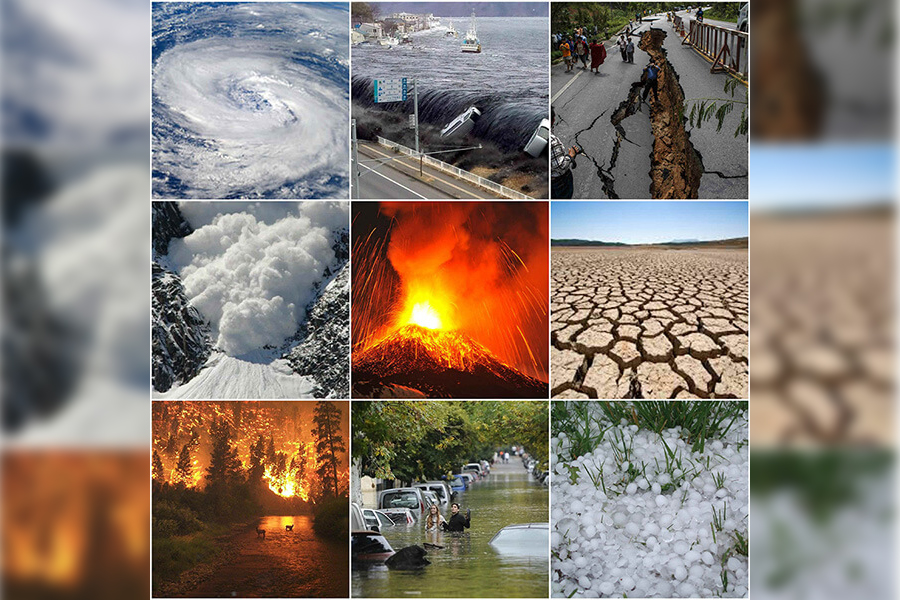
What natural hazards are you familiar with?
What is a disaster?
Natural hazards
A natural hazard is a perceived event that threatens both life and property.
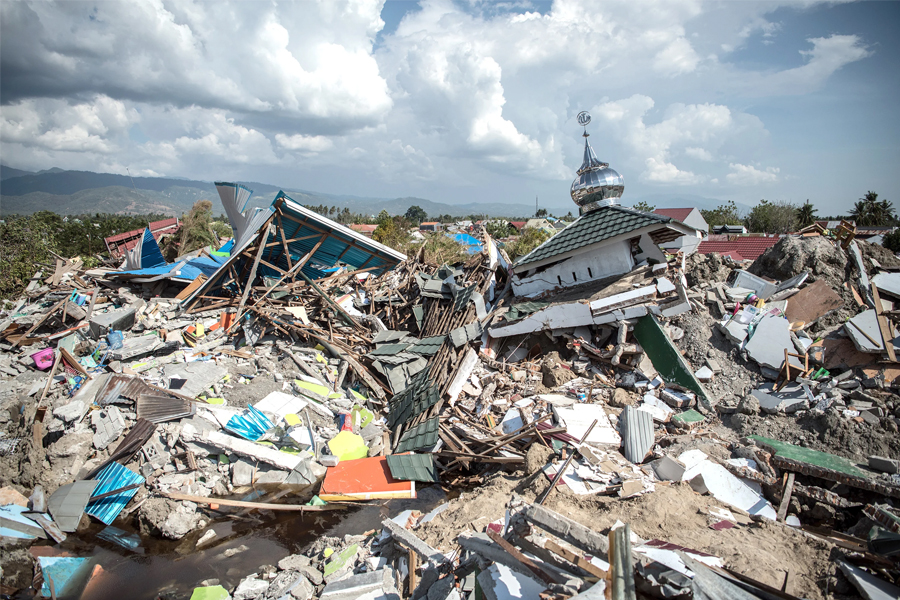
Geophysical hazards include volcanoes and seismic activity and are driven by the internal energy of the Earth.
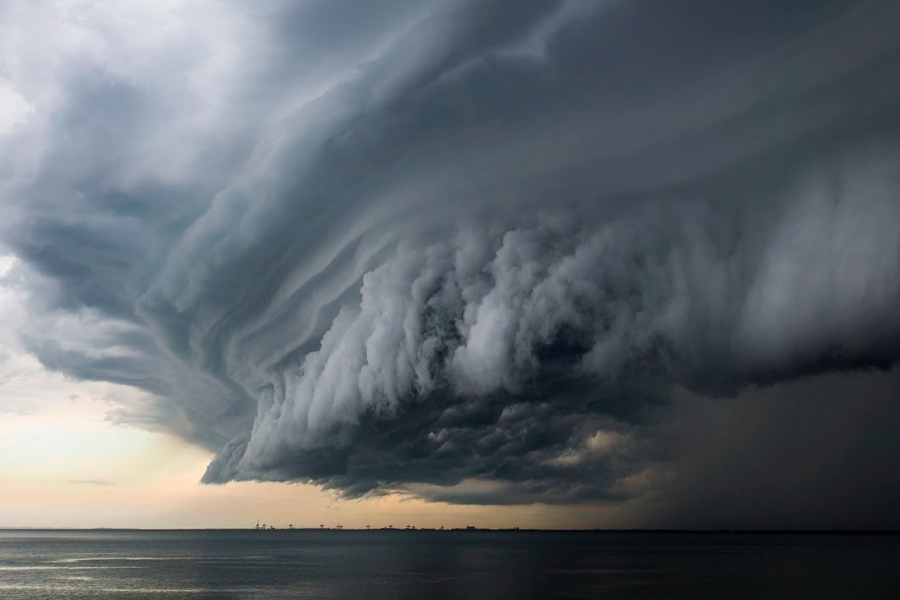
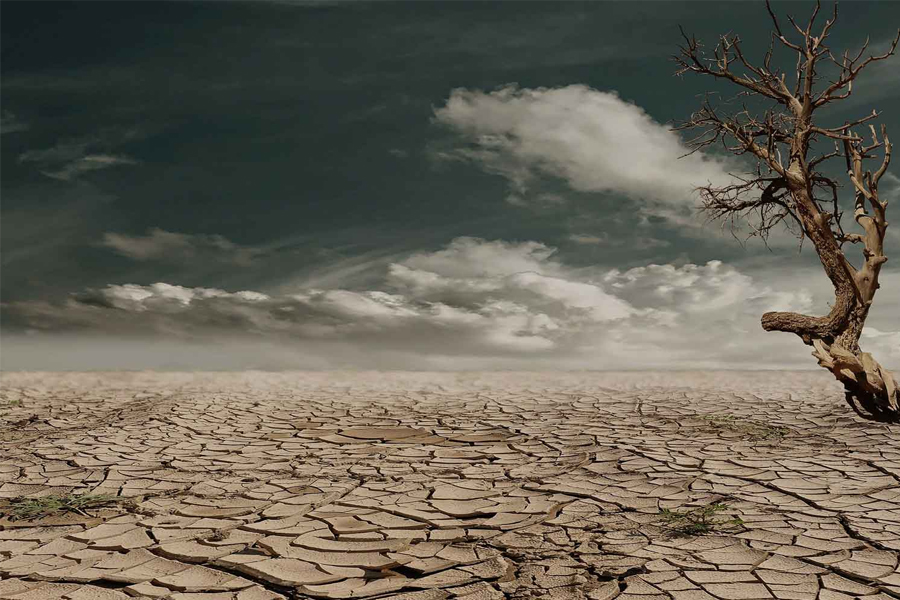
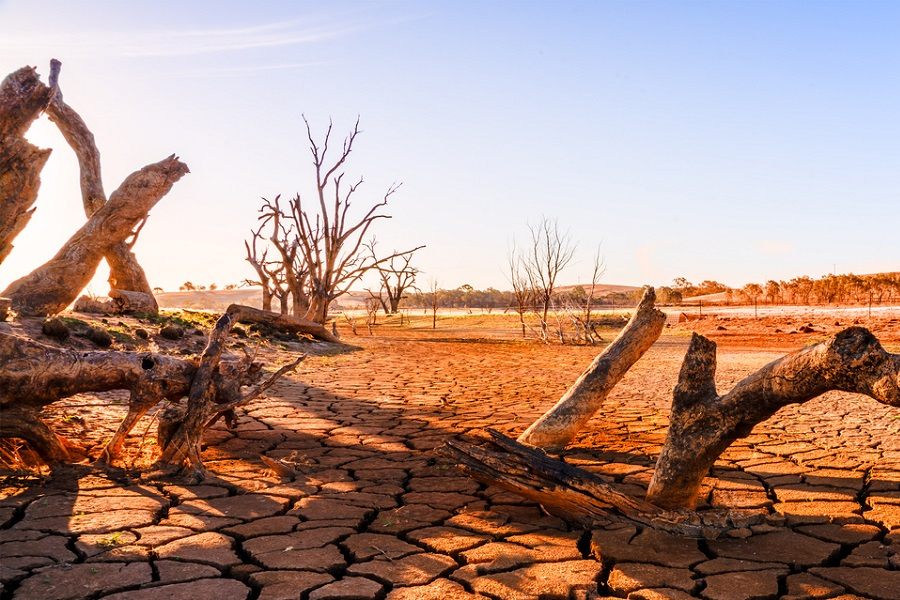
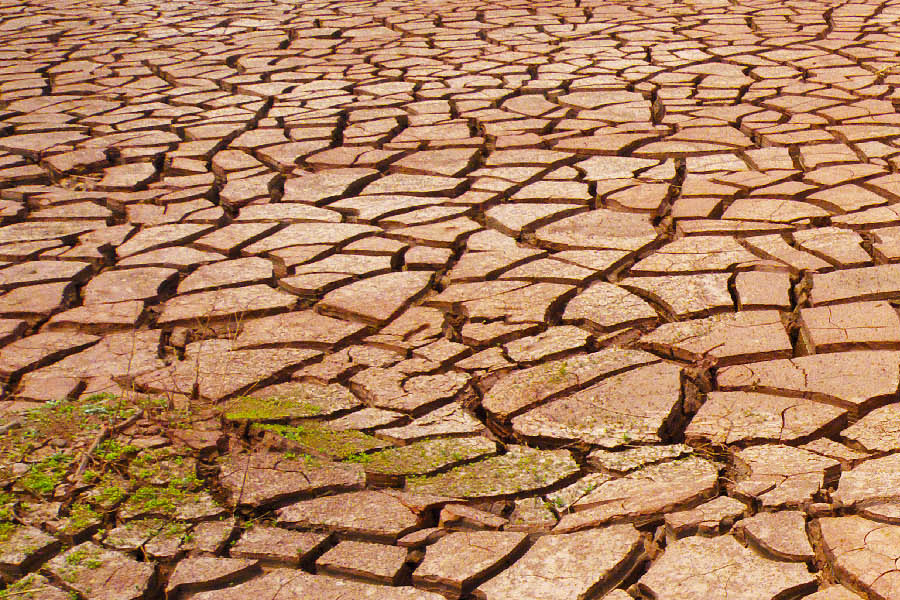
Atmospheric hazards include tropical storms and droughts and are driven by processes at work in the atmosphere.
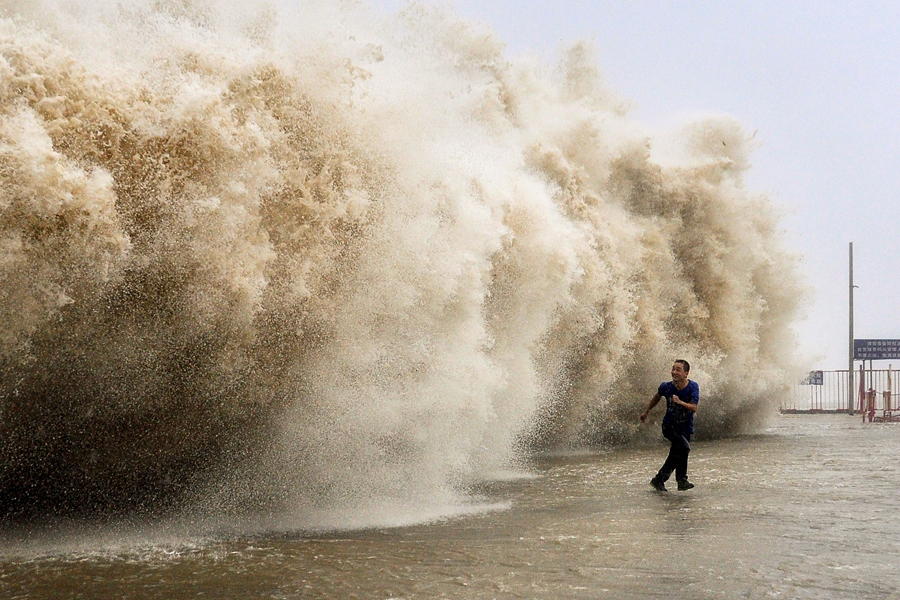
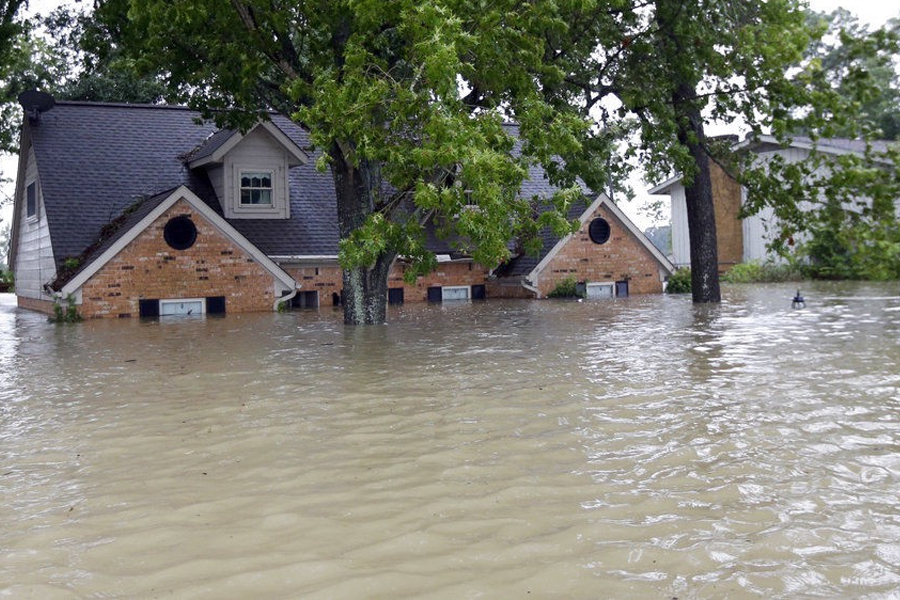
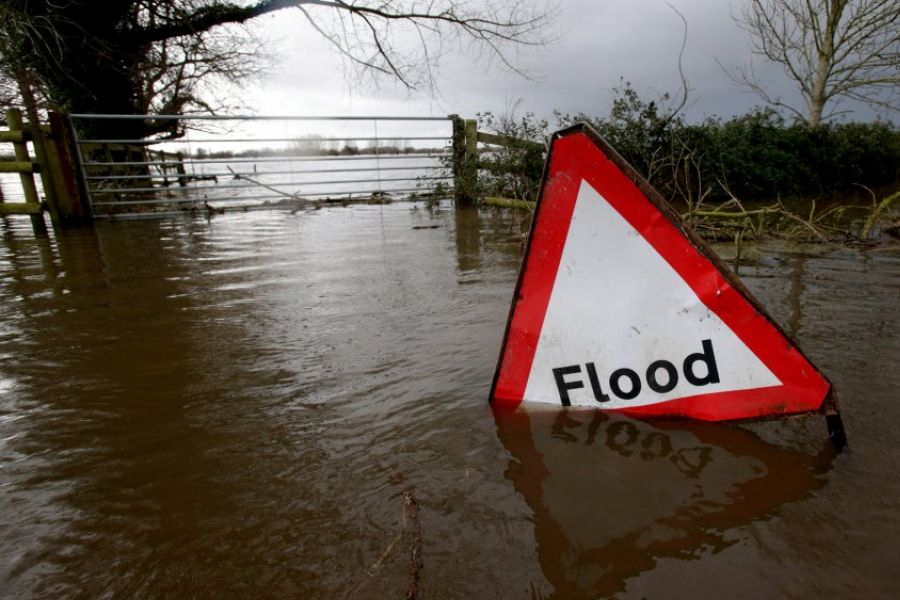
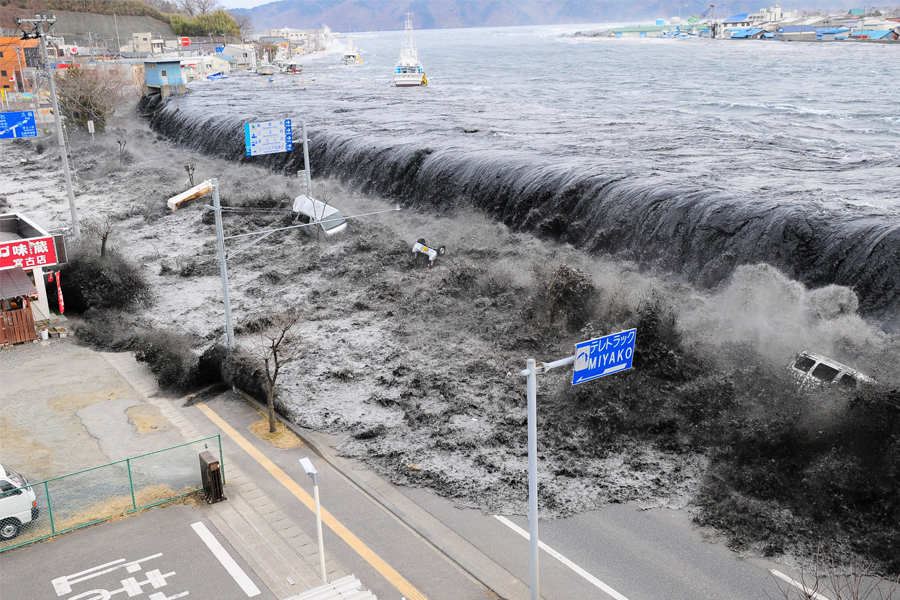
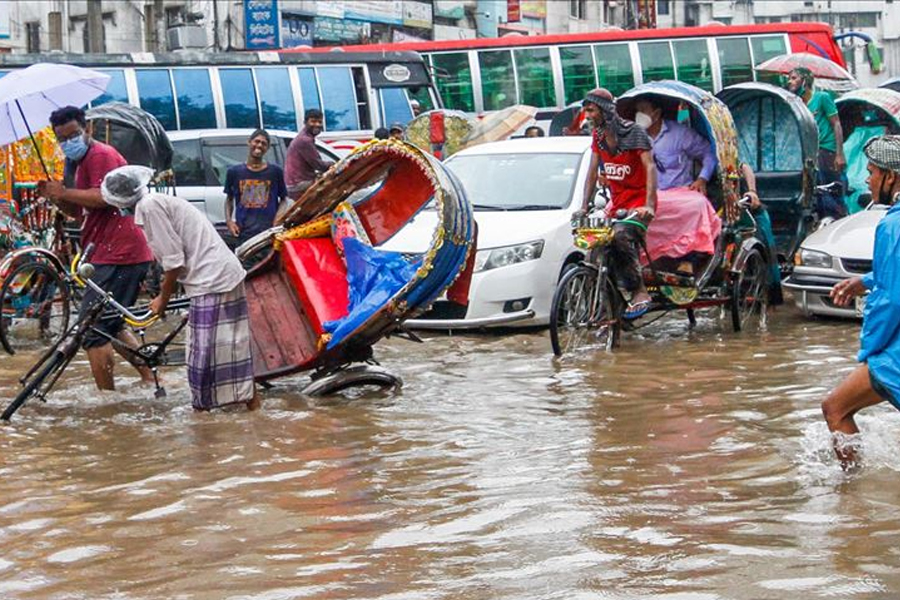
Hydrological hazards include floods, storm surges and tsunamis and are driven by water bodies.
Natural hazards
Characteristics (common) of Natural hazards:
each has clear origins and distinctive effects
little or no warning
exposure to the risk may be involuntary
most damage and loss of life occurs shortly after the hazard, but impacts may last into the future
their scale and impact requires an emergency response.
Natural disaster
is when a natural event, or hazard, impacts on human activities.
Task 1:
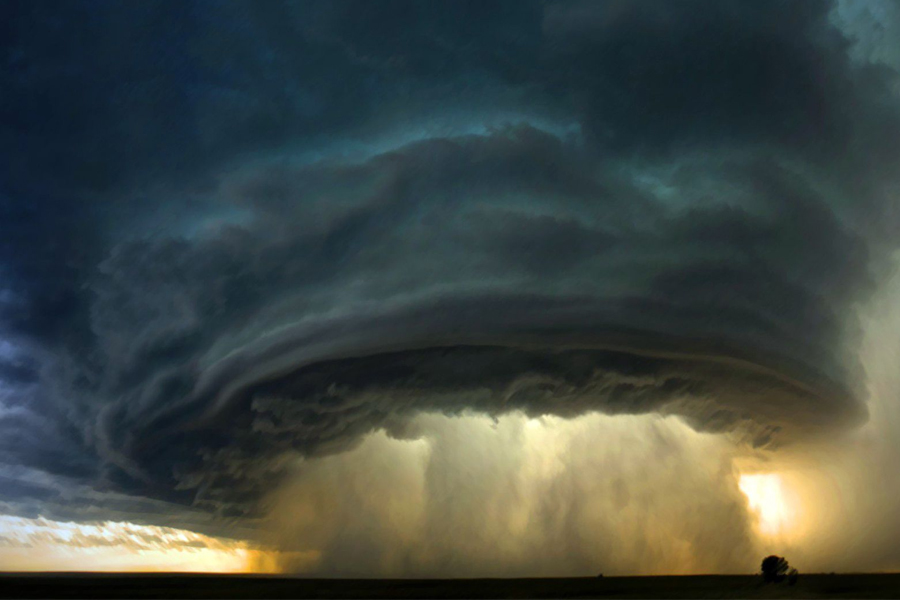
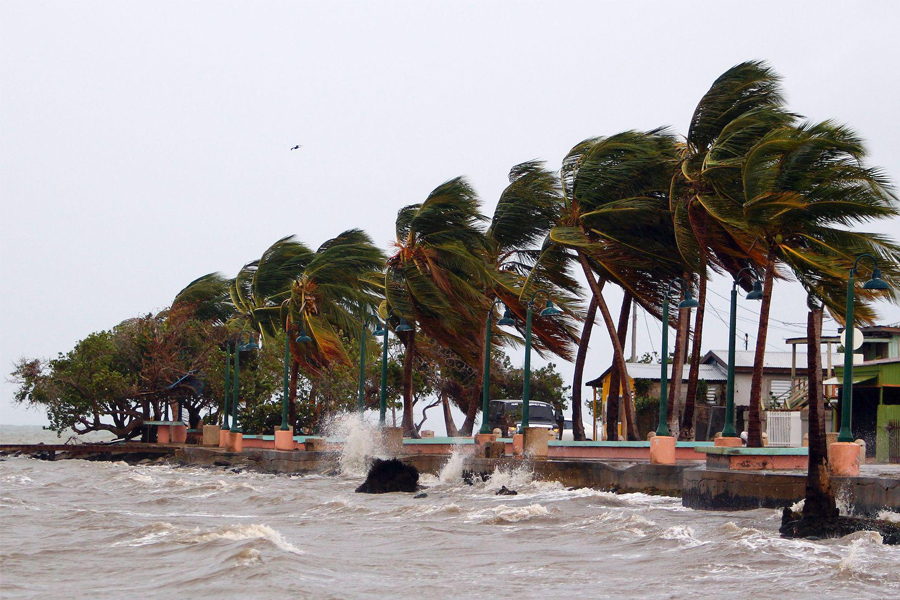
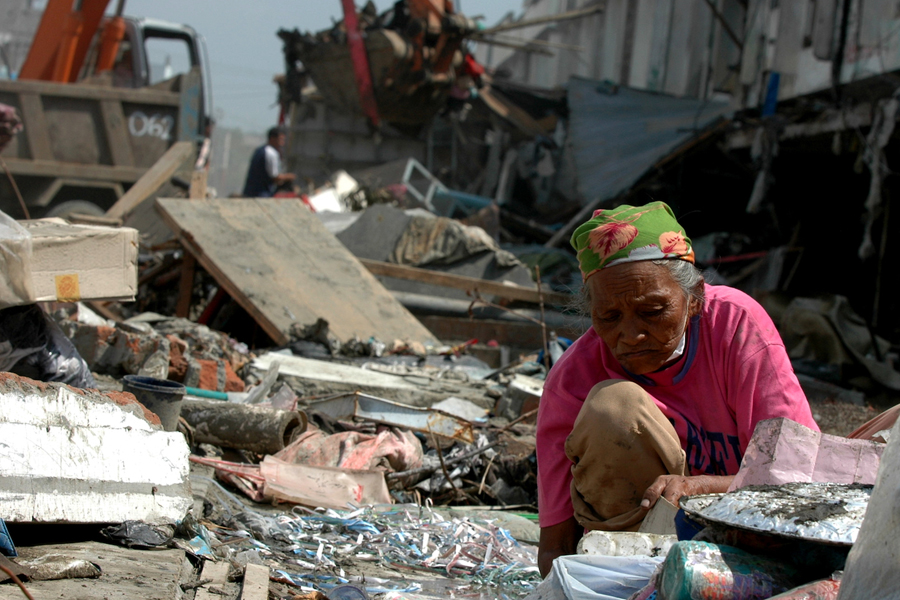
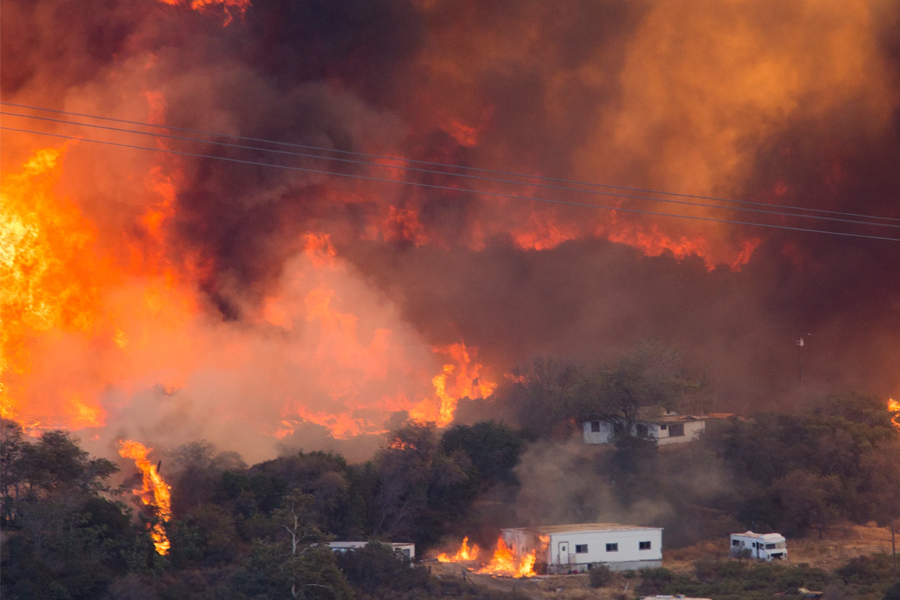
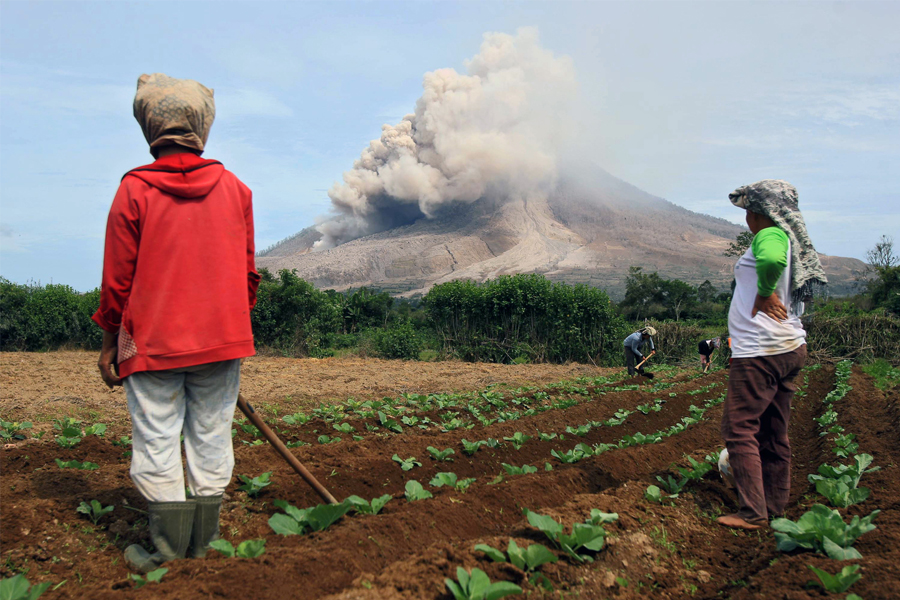
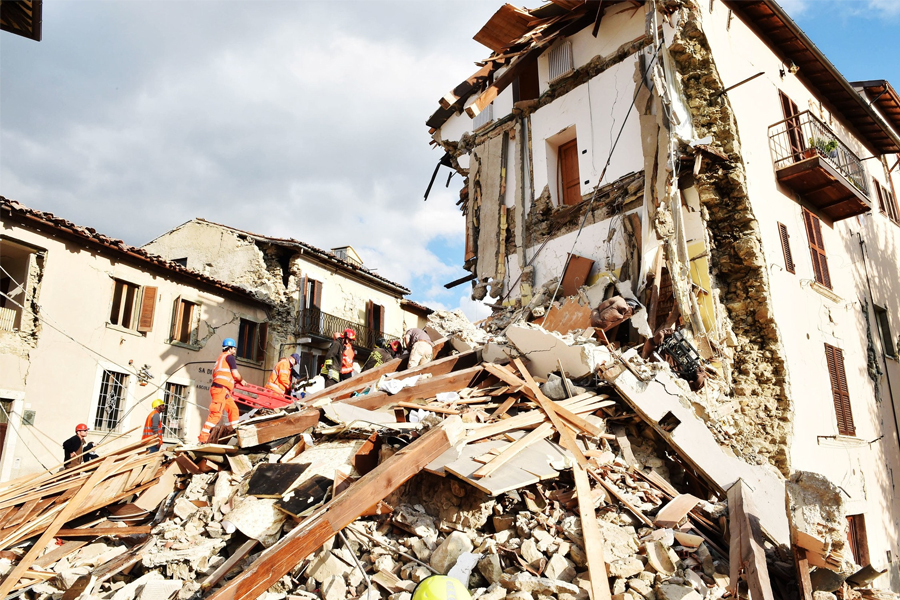
Look at the hazards related photographs. What hazards might the people in the pictures be vulnerable to? What factors would affect the level of risk? Why do you think these people have chosen to live in this area despite the risk?
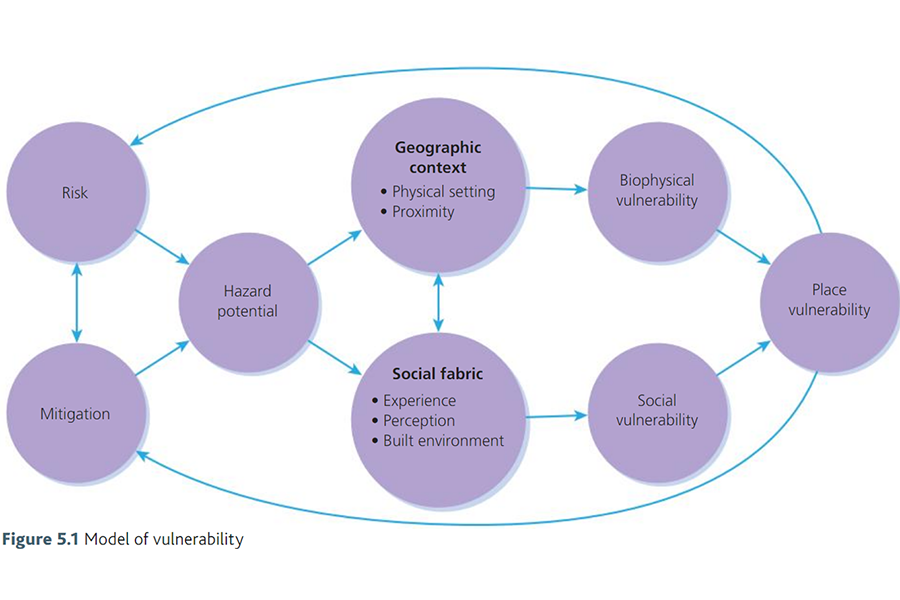
Draw/construct a mindmap or model identifying the variables that affect vulnerability.
Risk and vulnerability
Risk is the exposure of people to a hazardous event
presenting a potential threat to themselves, their possessions
and the built environment in which they live.
Vulnerability to physical hazards means the
potential for loss.